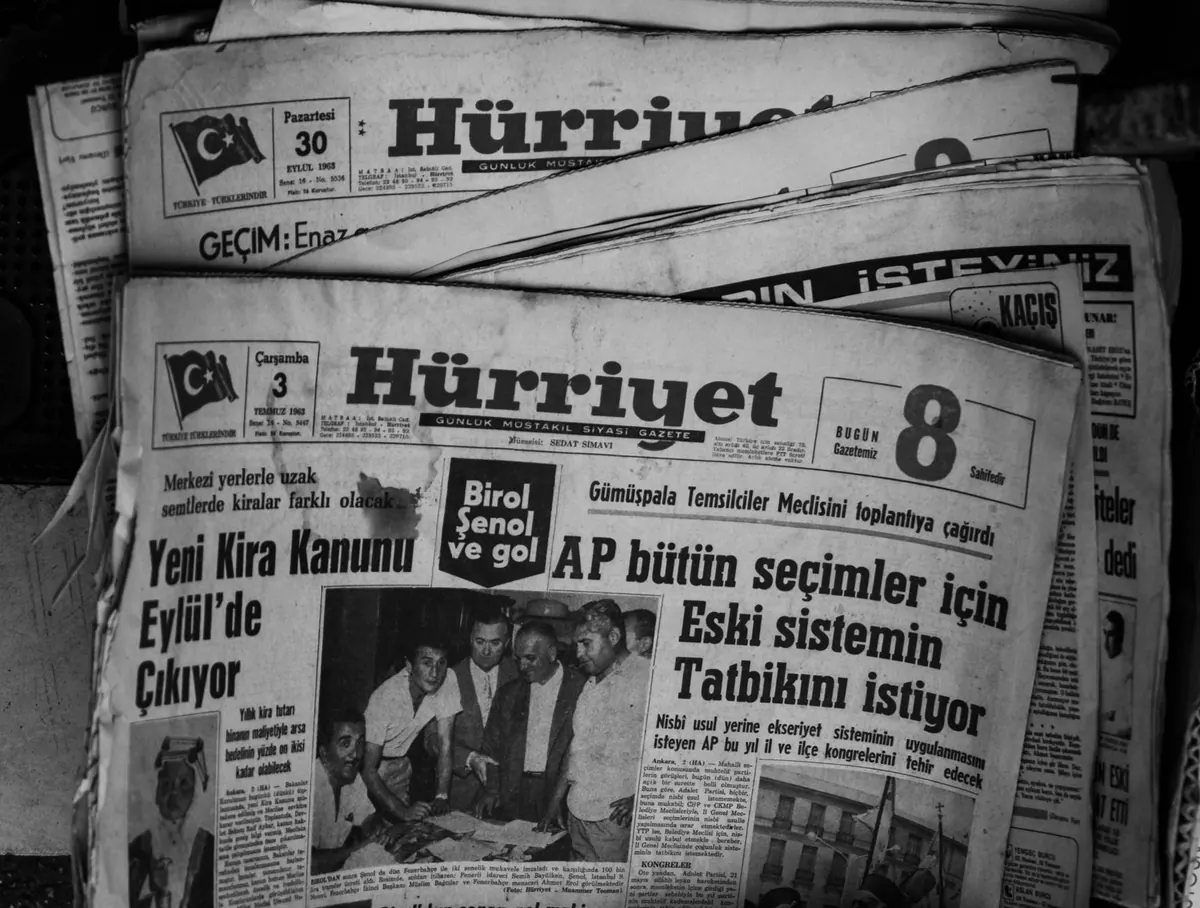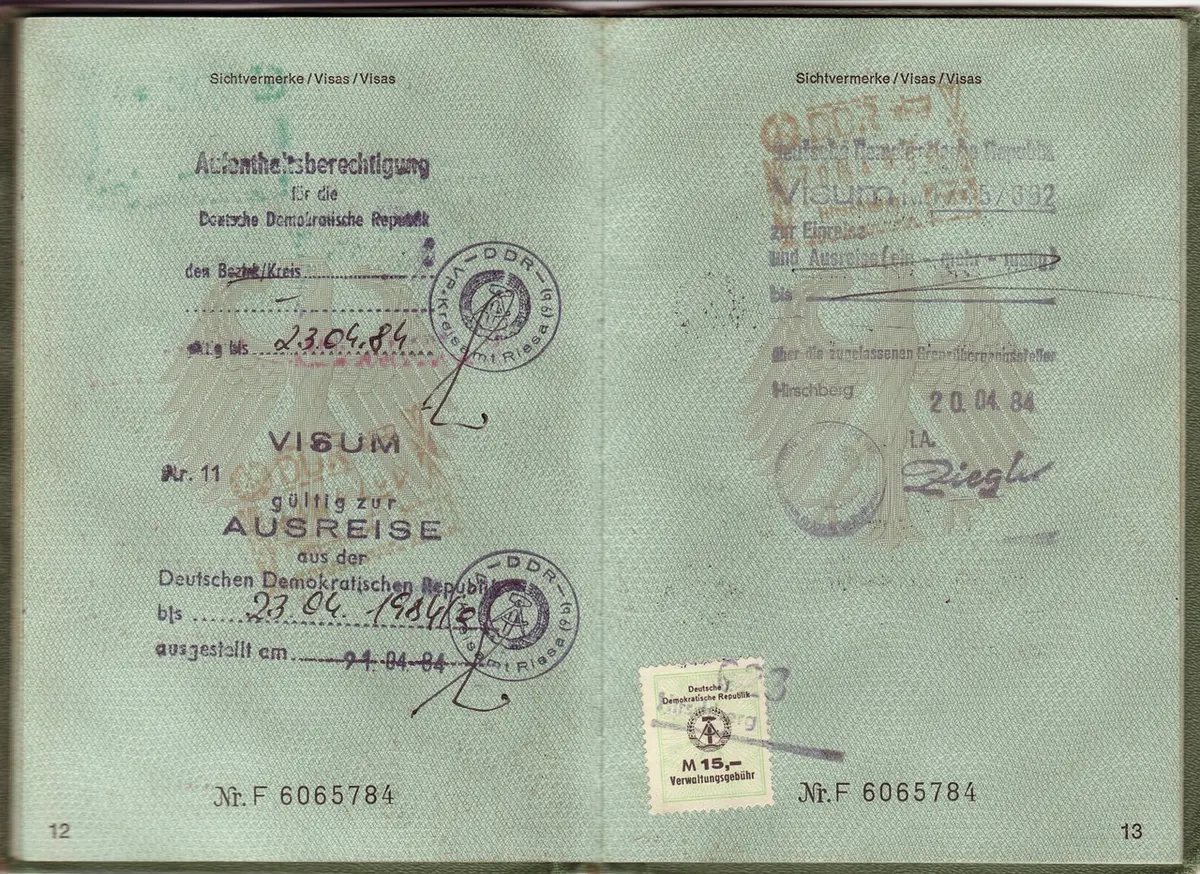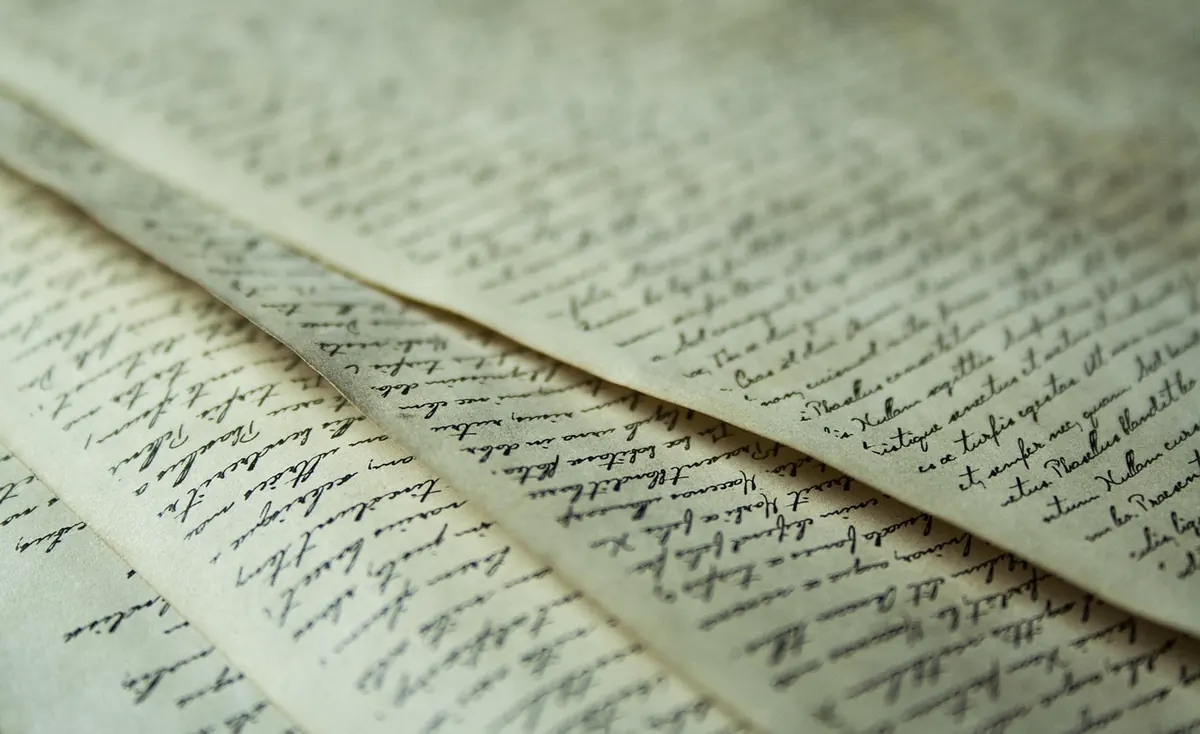
A document can hide in two very different kinds of building. One is a national archive: climate-controlled stacks, a formal reading room, security at the door, and a catalog built over decades by professional staff. The other is a local historical society: a converted schoolhouse or a room above the public library, open three afternoons a week, run by a part-time director and a handful of volunteers who have lived in the county their whole lives. Both hold paper nobody else has. Neither is automatically the right place to start. What separates them is access, catalog quality, response time, and the kind of help you get when you ask a question.
What Each Institution Actually Holds
National and state archives collect the records of institutions: court files, land grants, military service records, immigration manifests, census schedules, correspondence of government offices, and the private papers of people prominent enough to be worth acquiring. The material is vast and organized by the agency that created it, which means it documents how the state saw your ancestor far better than it documents how your ancestor saw the world.
Local historical societies collect what was never important enough to leave town. Church registers, cemetery plot maps, school district minutes, tax ledgers, the daybooks of a feed store, family bibles, photograph albums labeled in ballpoint, diaries, and the membership rolls of clubs that dissolved in 1958. Individually these items look minor. Together they are often the only record that a particular household existed at a particular address.
The rule of provenance
Records tend to stay near the place that created them, with one large exception: government bodies routinely ship older files upward to a state or national repository. So a county's probate packets may sit in the county courthouse, while the same county's correspondence with a federal agency sits hundreds of miles away. When a search stalls, ask who created this document before asking where to look for it.
Access: Hours, Rules, and Getting Through the Door
National institutions are predictable but bureaucratic. Expect photo identification, a registration form, lockers for coats and bags, pencils only, and restrictions on scanners and tripods. Some material requires a scheduled appointment or advance retrieval from off-site storage, and privacy or security rules can seal files for decades. Reading room hours are usually weekday and limited, which matters if you are traveling.
Local societies are informal but fragile. Hours may be a Tuesday afternoon, the second Saturday of the month, or "call first" — and the society may close entirely for winter or during a volunteer's illness. The building itself may be the problem: boxes in a damp basement, no climate control, leather bindings quietly off-gassing. In both cases the same rule applies: confirm before you travel. Ask whether the reading room is open, whether the item you want is on site, and whether anything is closed for conservation.
Catalogs and Finding Aids
A national catalog is enormous and structured. You search at the level of the record group and the series, not the individual name, so you may find a perfect description of "Correspondence of the District Land Office, 1848–1889" and still not know whether your family appears inside it. Learning to read a finding aid — scope note, arrangement, box list — is worth more than any keyword trick. Digitized material is a fraction of the whole.
Local catalogs are frequently a card index, a typed binder, a spreadsheet, or a volunteer's memory. That is not a failure; it is a different kind of precision. A hand-kept surname index to the 1873 plat map may exist nowhere online and answer your question in thirty seconds.
Before you go, ask:
- Is there an index, and does it cover names, places, or both?
- What date range is actually cataloged versus merely stored?
- Are there unprocessed boxes, and can I see them anyway?
- Do you have a finding aid or inventory I can read before I arrive?
- Is there a copy of this microfilm at another repository?
Response Times
National archives run on reference queues. You submit a written request, receive a ticket number, and wait — often days for a simple lookup, longer when a record must be located in off-site storage or reviewed for restrictions. Staff will confirm what exists and where it lives; they will not read a hundred pages of handwriting for you. Copying and digitization requests are usually handled for a fee and take extra time.
Local societies are unpredictable in the other direction. A volunteer may reply the next morning with a phone photograph of the page you asked about, or your email may sit unread for a month because the society is staffed two days a week. After two weeks, send a brief, friendly follow-up. Narrow questions get answered first — "Do you hold the 1904 confirmation register of St. Michael's?" beats "I'm looking for anything on my family."
Research Support: Professionals and Memory
Archivists at large institutions know record groups, series descriptions, and restriction schedules. They can tell you which agency created a file, whether a related series exists elsewhere, and what indexes will save you a day in the reading room. Their knowledge is documented and transferable.
At a small society you may meet someone who has indexed every grave in the cemetery and knows which family kept the general store after the fire. That knowledge is deep and largely unwritten. Enjoy it, and ask how they know — then ask to see the source. A remembered date is a lead, not a citation.
A Practical Sequence
- Start with the smallest jurisdiction that could have created the record: town, parish, or county before state or nation.
- Check the local catalog and send one specific question.
- Work upward — county courthouse, state archive, national repository — only after the local trail ends.
- Keep a research log: catalog numbers, box and folder titles, dates you asked, and the name of whoever answered.
- Order scans and copies early; they are the slowest step in any project.
- Ask for referrals. Reference staff often know which neighboring repository holds the missing series.
Before You Send That First Email
Give the recipient everything needed to answer in one pass: the full name with spelling variants, approximate dates, the exact place, what you have already checked, and one clear question. Offer to cover copying or postage. Ask about closures and appointment requirements at the same time. A message like this takes two minutes to write and saves weeks:
I am looking for the 1891 marriage record of Thomas Whelan and Bridget Nolan, both listed in the 1890 directory as living on Mill Street. Do you hold parish or civil registers for that year, and is there an index I could check before visiting?
One last thing worth remembering: no archive owes you research, and small societies survive on goodwill. Be the correspondent who says thank you, who cites the box number properly, and who sends a copy of the photograph back to the place it came from. That reputation travels further than any catalog entry.
Photo: Nile / Pixabay